
The Maker's Revolution: From Concept to Code Without the Bloat
Every ambitious project used to require either a developer or a compromise. AI has changed that equation completely. Three projects — a business CMS, an internal workflow tool, and a personal passion project — prove the range. And why the best professional development you can do right now is to start building something personal.


There was a time — not long ago — when custom software was a luxury reserved for enterprises with seven-figure R&D budgets. If you had a niche operational problem, you had two bad choices: force-fit an expensive, bloated SaaS tool, or suffer through a clunky manual workaround.
The current AI revolution has dismantled that reality. It hasn’t just lowered the barrier to entry; it has obliterated it. AI acts as a force multiplier, allowing anyone with intermediate skills to bypass the “buy vs. build” dilemma entirely. Now, if you can articulate the logic, you can build the solution.
Here’s what I’ve learned from building: the best way to be ready professionally is to start personally. The three projects below span wildly different contexts — a business system, an internal operational tool, and a personal passion project. All three prove the same point: the barrier is gone. What remains is the decision to start.
1. Escaping the Template Trap: A Custom Digital HQ
We’ve all fought the battle against rigid website builders. You start with a template that looks great, but the moment you need a specific custom feature — like a complex form or a unique data structure — you hit a wall.
For the PF TECH website, I refused to compromise. Using AI as my architect and planner, I mapped out the exact content strategy and user flow. This context allowed AI coding agents to accelerate the development of a fully custom content management system.
The difference is night and day. We now have a platform that includes built-in analytics, compliance features, and SEO optimization from day one. I can deploy new features in minutes, not days. We own the code, we own the experience, and we aren’t renting our digital home from a restrictive landlord.
2. Sunsetting the SaaS Bloat: The Bespoke Ticketing Engine
Our operations team was drowning in a classic administrative mess: managing client schedules across a licensed ticketing system, shared lists, and spreadsheets. The bottleneck was generating visual calendars — a manual process that cost our Operations Lead days of work every month.
To add insult to injury, the legacy ticketing software cost over $500 a month and was packed with hundreds of features we never touched.
So, we built our own.

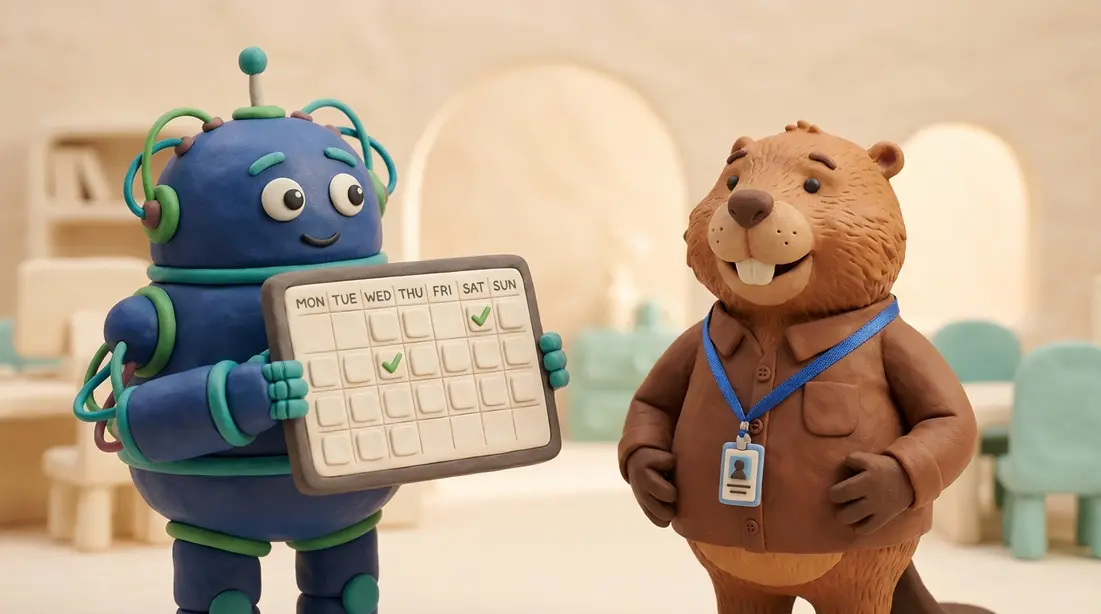
The goal was simple: solve the dynamic calendar problem. But once we nailed that logic using an automation workflow engine, we realized we could replicate the entire ticketing workflow. We replaced a clunky, expensive monolith with a lean, purpose-built tool that fits our workflow like a glove. The result? We stopped paying for bloat and started investing in efficiency.
3. The Passion Project: Why Personal Is Professional Now
The final example is the most personal, and perhaps the most illustrative of AI’s power — and of why I think personal projects are the best professional development available right now.
My father creates videos on travel and history, but narrating them in English (his second language) was a major friction point. His projects would stall, visually complete but silent. Commercial text-to-speech tools were either too expensive or too restrictive.
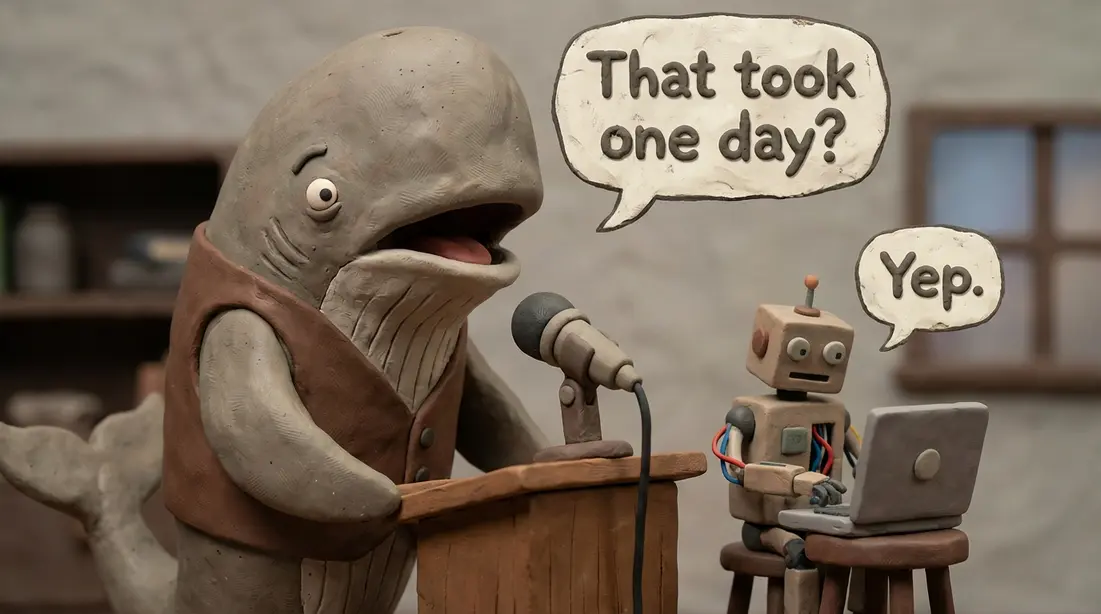
So, in just two hours, I built a custom AI assistant. It does exactly two things: it helps him refine his scripts, and it sends them to an AI voice API to generate high-quality audio. No subscriptions. No confusing menus. Pennies to run. It removed the single biggest obstacle between him and his creative work.
This is the definition of the Maker’s Revolution — solving a problem that is too small for a startup to care about, but enormous for the person experiencing it. And the reps I built doing this project made me materially faster and more capable at the operational tools I build for organizations.
Personal projects are not a distraction from professional readiness. They are professional readiness.
The Era of the Co-Pilot
These three projects — a robust business CMS, a lean internal tool, and a personal creative assistant — demonstrate the breadth of what’s possible today.
We are no longer just consumers of technology; we are architects. The people who will have the most leverage in the next ten years aren’t necessarily the ones with the most formal training. They’re the ones who started tinkering early, built muscle memory with the tools, and accumulated the reps when the stakes were low.
Start with something personal. Build the thing you’ve been wishing existed. The skills transfer.
Want to get the reps?
The Mission Multiplier Program is a structured cohort where non-profit finance staff and operations leaders build real AI competency through hands-on practice. Because reading about the Maker's Revolution is not the same as participating in it.
Join the MMP WaitlistAbout the author
Greg Zatulovsky, CPA
Founder & CEO, PF TECH · 15+ years in non-profit finance, operations & technology
Greg founded PF TECH to give Canadian non-profits access to the same operational infrastructure as the private sector — without the overhead. He writes about AI adoption, financial management, and the practical realities of running a mission-driven organisation.
You might also like

TERN: Engineering a Unified Data Ecosystem for Non-Profits
Feb 11, 2026 · 5 min read

AI, Data Sovereignty, and the Modern Tech Stack
Feb 11, 2026 · 6 min read

From 5-Year Roadmap to Reality: How AI is the Non-Profit Force Multiplier
Feb 11, 2026 · 4 min read